
When you are in the middle of the ocean,the first goal is to float.
Financial and business rebuilding starts by protecting today, finding direction, reaching stable ground, and only then building again.
Stability comes before expansion.
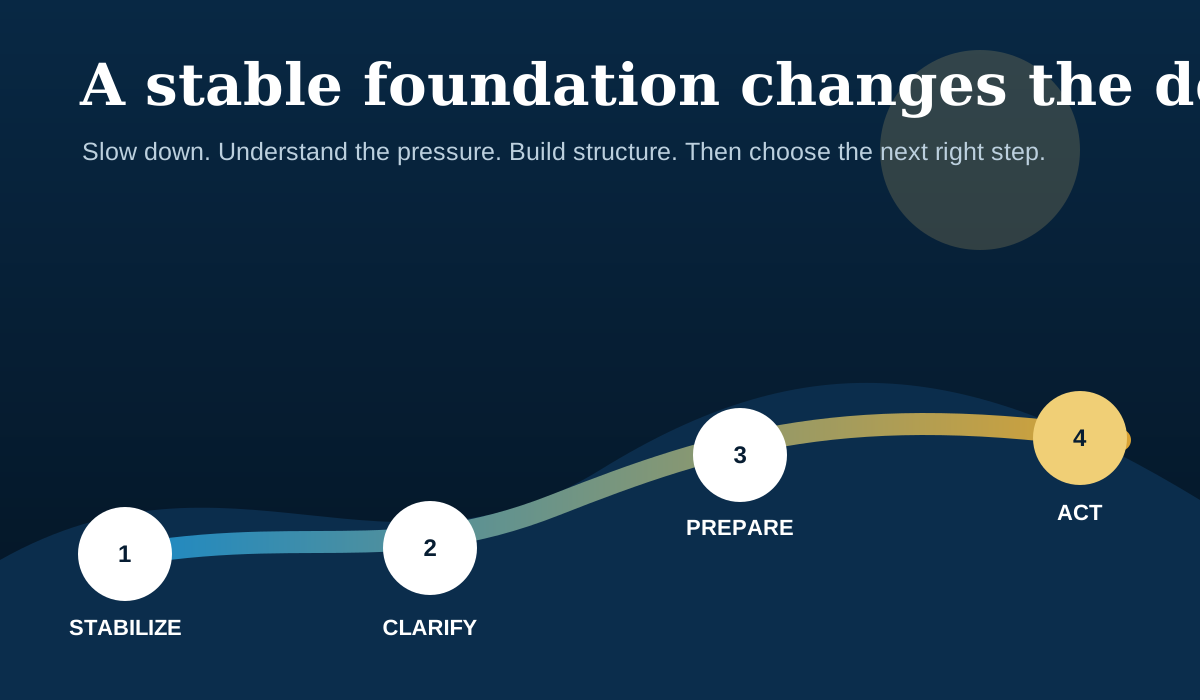
Understand the pressure. Protect what matters. Build the structure. Then choose the next right step.
Protect. Prioritize. Plan. Rebuild.
Not every difficult season requires a loan. Sometimes the first solution is visibility, negotiation, better timing, expense control, support, or a different operating decision.
- Identify immediate cash and payment risk
- Protect payroll, essential operations and basic needs
- Stop stacking decisions that create new pressure
- Build a 30-, 60- and 90-day stabilization plan
- Choose the right professional or community resource
- Create a realistic rebuild plan after the crisis passes
The business owner and the business affect each other.
Financial pressure can affect judgment, relationships, sleep, health and recovery. BFD may route clients to leadership, recovery, peer-support or community resources when the need extends beyond the numbers.
Business pressure
Cash flow, debt, payroll, taxes, contracts, staffing and operational decisions.
Life pressure
Transition, divorce, illness, family responsibilities, recovery, grief or a loss of routine.
Leadership pressure
Isolation, avoidance, unclear roles, conflict, burnout and decisions made without trusted accountability.

Cash-flow timing can create pressure before profit disappears.
A rolling 13-week cash-flow view helps identify when cash is expected, when obligations are due and where a conversation or operating change must happen early.
- Weekly beginning and ending cash
- Realistic receipt timing
- Payroll, taxes and essential obligations
- Debt and vendor payments
- Decision notes and contingency actions